Anyone for more gravy…? Are sauces suitable for people with dysphagia?
There is often a lot of debate about texture-modified foods and whether sauces can be added to moisten them. In this blog we look at this question… “Are sauces suitable for people with dysphagia?”
It’s commonplace to see gravy or sauce added to the plates of food just before they are served. Does this improve the flavour and appearance of the dish? Is this to improve the texture or make the food easier to eat? Ultimately is this safe and how do sauces fit within the IDDSI framework?
There are many sauces served as accompaniments to dishes, custard, cream, coulis, gravy and dressings that all have their place in the culinary world. For someone with dysphagia sauces can pose an increased aspiration risk because the thinner liquid type consistencies travel more quickly in the mouth. This makes the mouthful harder to control without fluid penetrating the airway.
Mixed consistencies
IDDSI have have raised the issue of mixed consistencies in the FAQ page on their website, here’s what they say:
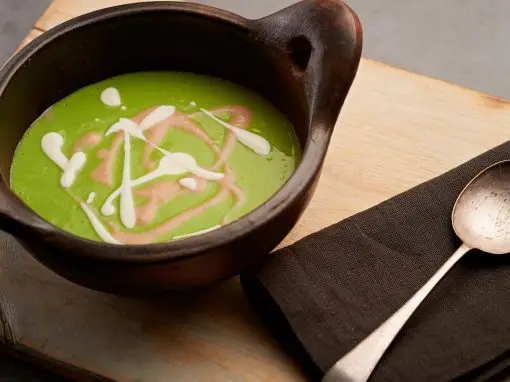
“Some dishes contain mixed consistencies such as a chicken broth where you find pieces of foods (chicken and vegetables) served within a thin liquid. Considerable oral processing skill is needed to manage the combination of textures and many people will separate the solids in the mouth and swallow the liquid element. Oral processing will masticate the pieces of food, which are normally swallowed secondary to the liquid. Mixed consistency foods are only suitable for people who can safely manage the combination of IDDSI Level 7 (Regular foods) and IDDSI Level 0 Thin liquids).”
Click HERE to see this and other frequently asked questions IDDSI have answered.
Are sauces suitable for people with dysphagia?
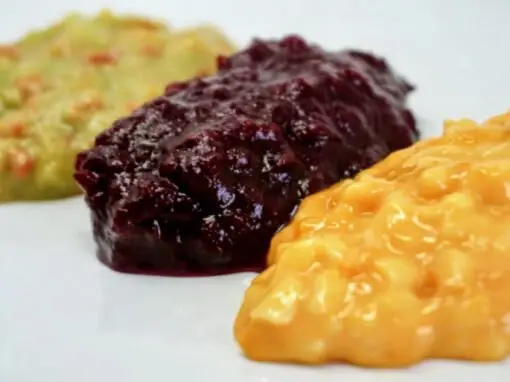
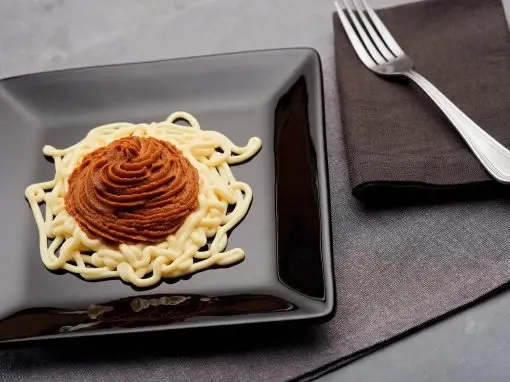
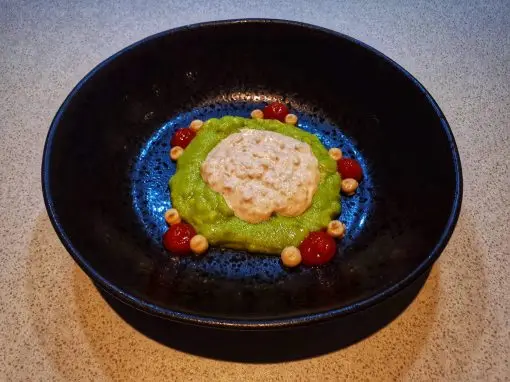
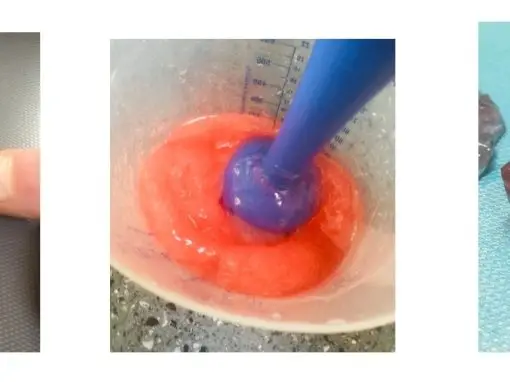
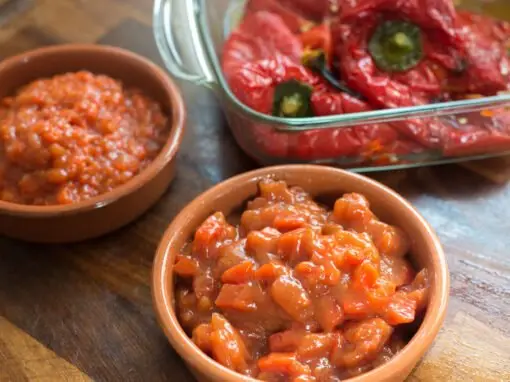
It is important to remember most foods will require the addition of liquid to reach the desired IDDSI Level. During the modifying process sauce can be used in this way to thin foods down. This also adds great depth of flavour to the final dish. Although the final presentation won’t look like sauce is included, all the elements are incorporated and served in a safe way.
So are sauces suitable for people with dysphagia?
IDDSI Level 3 – Sauces are best added during the blending process of ingredients. Sauce can be served separately if they are equal in texture to everything else on the plate and comply with IDDSI Level 3 liquidised flow test.
IDDSI Level 4 – Sauces are best added during the blending process of ingredients. Sauce can be served separately if they are equal in texture to everything else on the plate and comply with IDDSI Level 4 fork drip and spoon tilt tests.
IDDSI Level 5 – Sauces are best added during the blending process of ingredients. Sauce can be served separately if they are equal in texture to everything else on the plate and comply with IDDSI Level 4 or 5 fork drip and spoon tilt tests.
IDDSI Level 6 – Sauces are best served thick with no separate thin liquid. Sauces should be equal to or thicker than the clinician fluid recommendations (refer to IDDSI Levels 0-4)
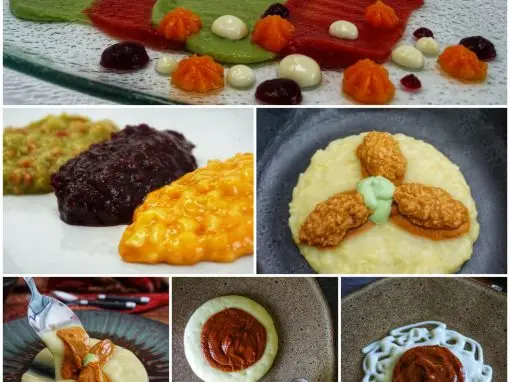
For a look at how we add sauces to a number of dishes check out our recipes by clicking HERE
PW

The Recipe Hub
Resources & Links
Have any Questions? Call us Today!