Pasta Mousse Recipe – A Lighter Way of Thinking
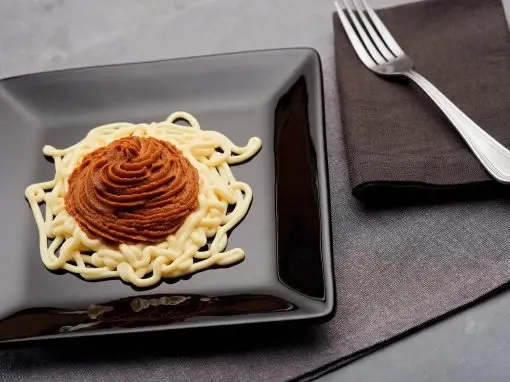
We have been looking closely at some of the trickier elements of dysphagia diets since our IDDSI webinar back in October last year, especially around starchy foods at IDDSI Level 4 – Pureed. The way these foods perform in the IDDSI spoon tilt test has given us hours of debate and speculation, testing, tasting… and of course tilting spoons. Here we are going to show you how to use an innovative technique to make a delicious pasta mousse suitable for dysphagia diets!
Combination method
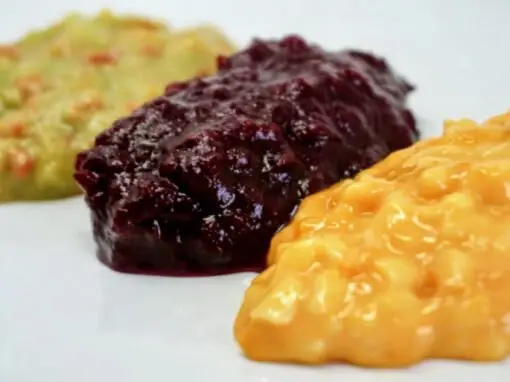
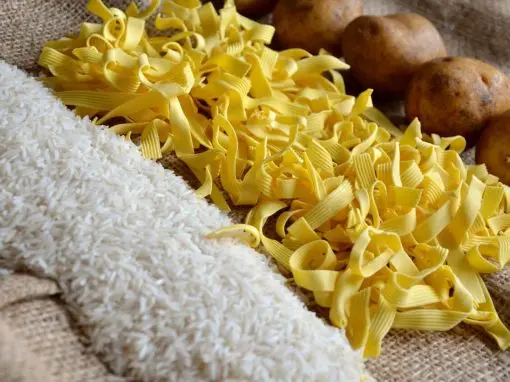
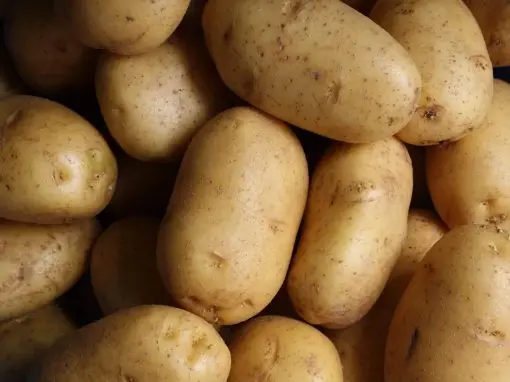
Our initial method of reducing the sticky nature of potatoes, pasta, rice and other starchy foods is to combine them with other foods which are less sticky. These foods are usually served with other elements that bring moisture and flavour so it seemed a logical place to start. By vegetable or meat purees with the starchy elements in pureed form improves both the texture and flavour.
Let’s face it there is nothing very pleasant about eating plain pasta or rice pureed to IDDSI Level 4! After a day testing rice I had to go home and have a roast chicken and mushroom risotto just to remind me how delicious rice dishes can be!
Across all starchy foods this method improved the quality of the food for dysphagia diets but it is by no means perfect and we still questioned the amount of residue remaining after performing the IDDSI spoon tilt test.
Aeration method
Experience shows that at IDDSI Level 4 the purees can have quite considerable differences in mouth-feel yet still pass the critical tests required and need very minimal oral processing. We had looked at whipped foods such as meringue, creams and mousses and in some cases had seen an improvement in mouth-feel and oral transit… it would certainly be interesting to see how this would affect starches…
So after a lot of thinking (sleepless nights even!), some research and an idea Preston brought in an industrial cream aerator and we set about testing…
Ingredients
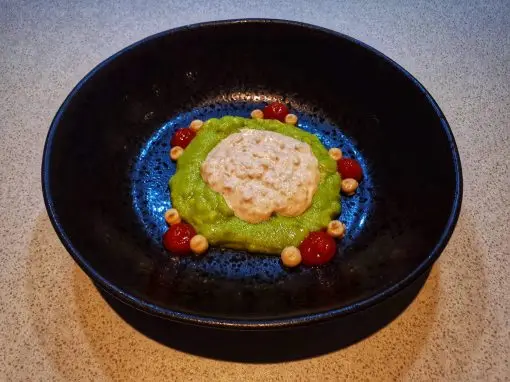
Pasta mousse
Below is the recipe for pasta mousse that we used at the recent UK IDDSI Congress and Festival
350g cooked pasta
200g whole milk
200g double cream
70g smoked cheese (e.g. Applewood) (grated)
60g cheddar (grated)
S&P
Method
Warm the ingredients together and blend until smooth.
2 x charges in cream whipper – Click HERE for a link to the thermos one we used.
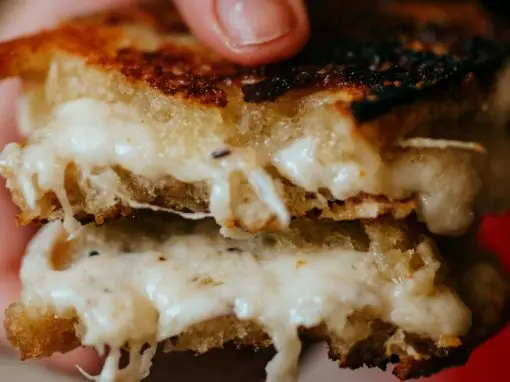
This is by no means the end of this journey in starches and the results still have a number of considerations that need attention… but it does vastly improve the texture and the performance of these starchy foods in many of the IDDSI critical tests. Oh, and it is delicious too!
We filmed it so you can watch how we make it below…
Please accept cookies to access this content
Improve your knowledge on cooking for people with dysphagia – access our in-depth catering for dysphagia eLearning course HERE
Always ensure IDDSI Testing Methods are passed before serving recommended consistencies to patients with dysphagia.

In This Recipe
Difficulty Swallowing, IDDSI Level 4 Food (PU4), Recipe, Recipe Hub

The Recipe Hub
Resources & Links
Have any Questions? Call us Today!